
A gravel driveway is a practical choice for many Vermont homes, but it takes a beating throughout the year. Snowplows, heavy rain, spring thaw, vehicle traffic, and runoff can leave behind potholes, ruts, washouts, and areas where the gravel has simply disappeared.
Some of these problems can be corrected with fresh gravel and grading. Others are signs that the driveway has drainage or base problems that need to be addressed first.
Sugarhouse Property provides gravel driveway repair in Vermont, including gravel replacement, surface repairs, drainage improvements, and repairs to damaged or washed-out sections.
Common Gravel Driveway Problems
Gravel driveways tend to show wear gradually. You may first notice a few potholes or a section that feels rougher than the rest of the driveway. Over time, those small problems can become more significant.
Common issues include:
- Potholes
- Deep ruts
- Washouts
- Standing water
- Loose or displaced gravel
- Uneven surfaces
- Eroded driveway edges
- Areas where the underlying soil has become exposed
Water is usually part of the problem. If runoff isn't moving away from the driveway properly, it can carry gravel with it and create channels or low areas.
Pothole Repair
Potholes are one of the most common reasons homeowners call us for gravel driveway repair. Filling a pothole with loose gravel may provide a temporary improvement, but the repair can fail quickly if the underlying area remains soft or water continues collecting there.
A proper repair may involve removing loose material, correcting the low area, adding appropriate gravel, and compacting the repair. If potholes keep coming back in the same locations, it's worth looking at the overall grade and drainage of the driveway.
When Gravel Gets Washed Away
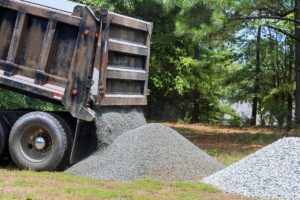 Heavy rain can move a lot of gravel. Driveways with steep slopes are really vulnerable to washouts, but even mostly flat driveways can develop problems when water has nowhere else to go.
Signs of a washout are exposed soil, channels running across or down the driveway, piles of gravel along the edges, or sections where the driving surface is become thinner.
Replacing the missing gravel is the repair. The important question is why the gravel washed away in the first place. In some cases, drainage improvements or other excavation work may be needed to keep the problem from returning.
Does Your Gravel Driveway Need More Gravel?
Gravel gets displaced over time, especially on heavily used driveways. Snow removal also moves material toward the edges.
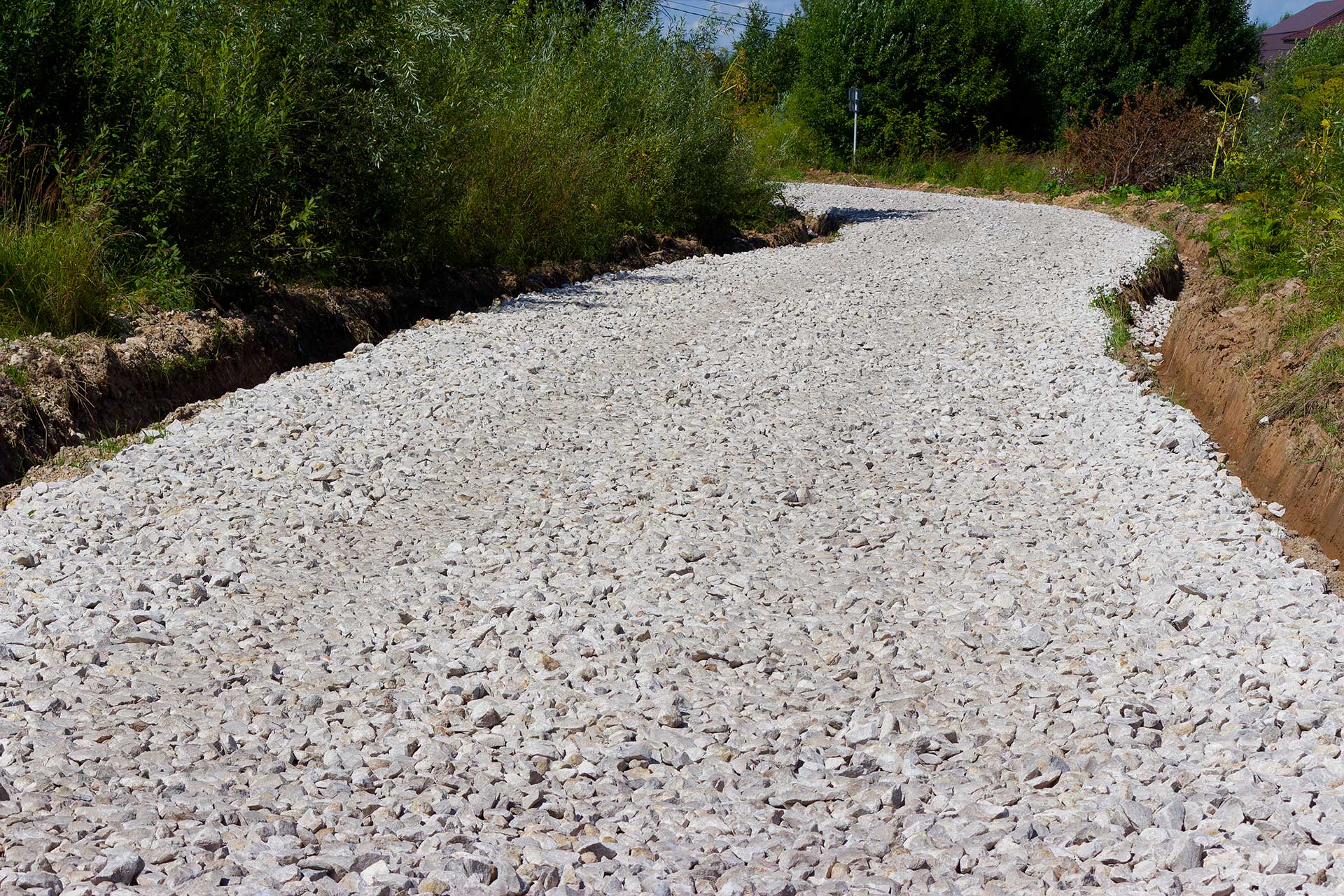
Adding a fresh layer of gravel restores the driving surface and improve the appearance of the driveway. The existing surface should be evaluated first. Adding material over a poorly graded or unstable driveway will only hide the problem temporarily.
The type and amount of gravel needed depends on the existing driveway, the soil conditions, drainage, and how the driveway is used.
Vermont Weather Takes a Toll
Vermont's weather creates some challenges for gravel driveways. Freeze-thaw cycles cause the ground beneath the driveway to move. Spring runoff softens the surface and carries gravel away. Summer storms create erosion, while winter snow removal pushes gravel toward the sides.
Regular maintenance keeps these seasonal problems from becoming major repairs. For many properties, periodic grading and gravel replacement goes a long way toward keeping the driveway in good condition.
When Drainage Is the Real Problem
If you repeatedly repair the same section of your driveway, there can be a larger issue underneath the surface. Water running down the driveway can create ruts and washouts. Water crossing the driveway can cut channels through the gravel. Poor drainage also leaves parts of the driveway soft and difficult to maintain. In these situations, repairing the gravel alone may not solve the whole problem.
Depending on the property, solutions may involve changes to the grade or drainage system. In some situations, a culvert may be needed to move water beneath the driveway rather than across it.
Related Excavation Services
Driveway Grading
Grading is be an important part of gravel driveway repair when ruts, uneven areas, or drainage problems have developed. Proper grading can restore the surface and improve how water moves across the property.
Sugarhouse Property provides residential driveway grading as part of our excavation services.
Culvert Installation
When water needs to cross beneath a driveway, a properly installed culvert can help prevent washouts and erosion.
Culvert installation may be appropriate when drainage is contributing to recurring driveway damage or when runoff needs to pass beneath the driveway rather than across it.
Sugarhouse Property provides residential excavation services, including culvert installation.
How Often Should a Gravel Driveway Be Repaired?
There isn't a set schedule for gravel driveway repair.
A well-built and properly maintained driveway may need relatively little attention for several years. A steep driveway with heavy traffic or drainage problems may need maintenance much more frequently.
Instead of waiting for major damage, keep an eye out for potholes, ruts, standing water, exposed soil, and areas where gravel is disappearing.
Small repairs are generally easier to deal with than a driveway that has been allowed to deteriorate for several seasons.
Frequently Asked Questions
Need Gravel Driveway Repair in Vermont?
Potholes, ruts, and washouts are easier to address when they are caught early. If your gravel driveway has become difficult to maintain or keeps developing the same problems, the issue may involve more than the surface.
Sugarhouse Property provides residential gravel driveway repair in Vermont, along with excavation, grading, drainage, and culvert installation.
Contact Sugarhouse Property to discuss your gravel driveway and determine what repairs or improvements it needs.